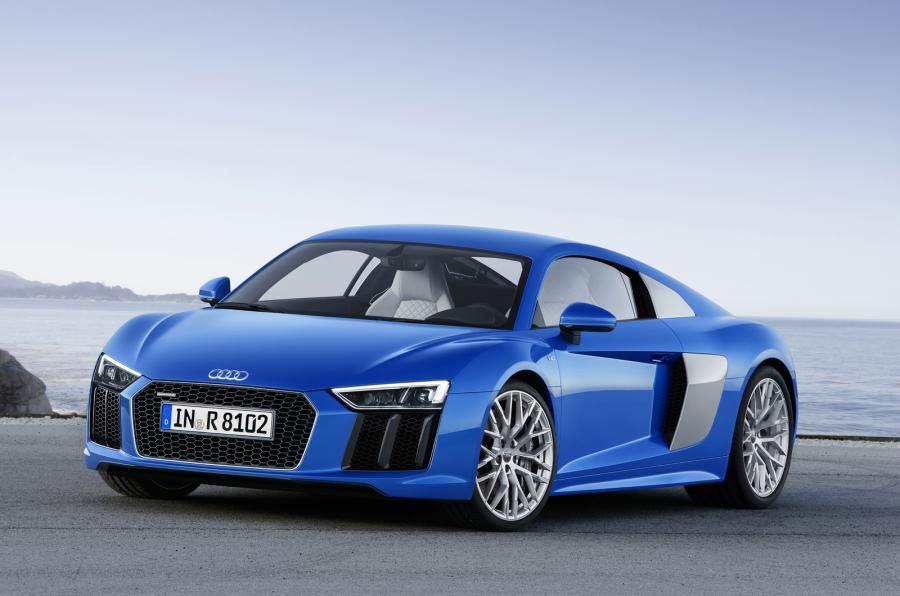
As with most things in business, there’s only so long a manufacturer can sell something without the need to update it. When your product has become a style icon and a sales success the task is made that little bit harder in order to replicate the first model’s impact. Look at the first iPhone, it shook up the phone industry like nothing else before and became an instant design classic, assuring its place in future design museums. Audi has been faced with a similar problem with its new R8 supercar. The Audi R8 turned the supercar world on its head in 2007, both in terms of design and everyday usability. Arguably the Porsche 911 offers everyday supercar usability but some would say that although the performance says supercar, by the time you’re specifying a turbo, the design doesn’t quite match that description these days.
In the styling stakes Audi got the look bang on. An exotic stance with futuristic looks that even 8 years later still turns heads on the high street, a trick that not many cars these days can pull off. With impeccable looks already abundant on the car it was obvious the new model wasn’t going to change too much; more evolution than revolution. But as Porsche will testify with their new models, why change a winning formula; they clearly don’t meddle too much. Audi have set themselves up nicely for that theory though, their second generation TT differed very little from the first one, itself a fellow design classic, and the newly released third generation is hardly a world away. What they have managed to do with the TT though is evolve the styling so that it remains cutting edge and fresh on the outside, whilst overhauling the interior, handling, technology, ride, comfort, pretty much everything to make each generation that much better than the last. 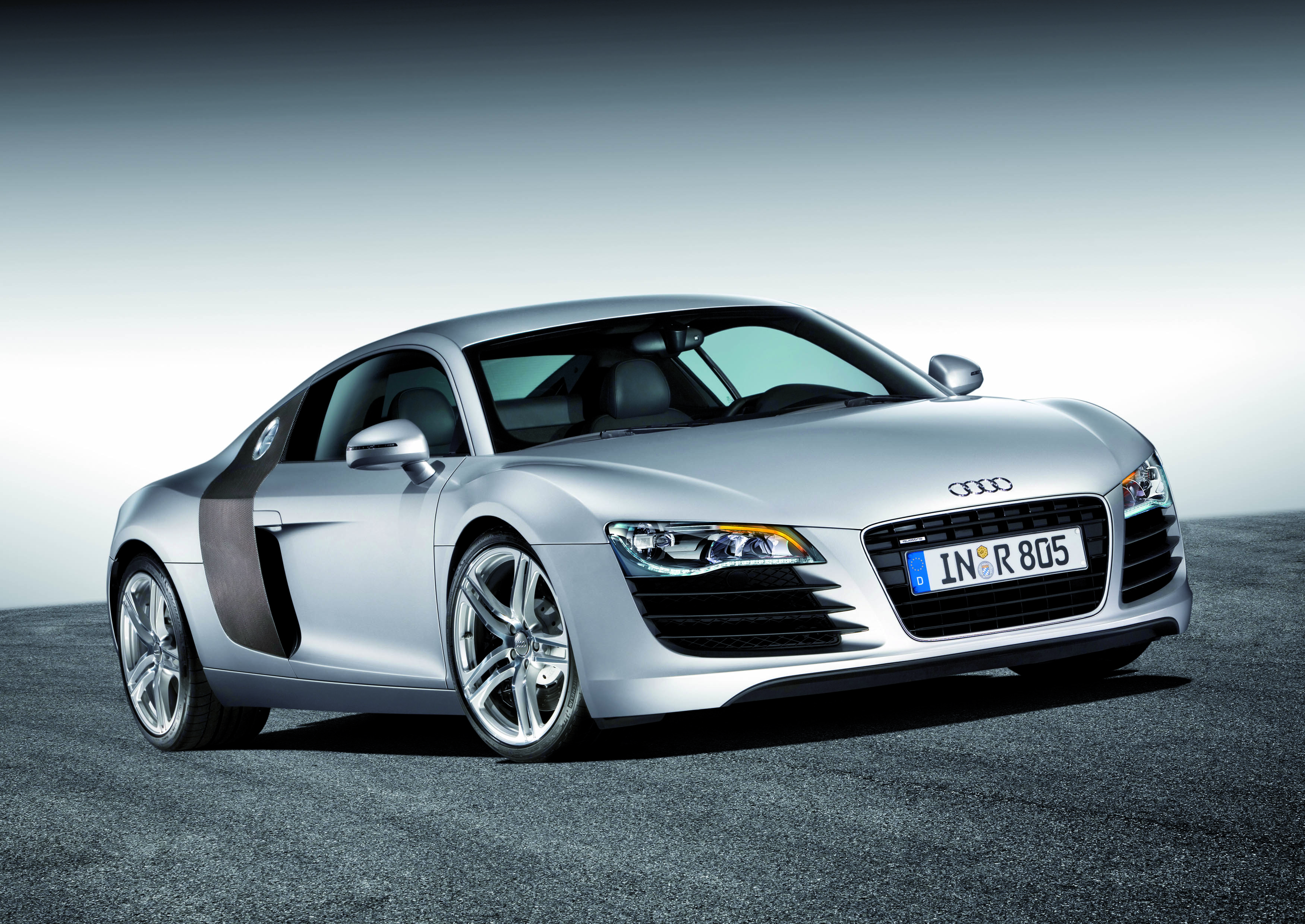
With the new R8 however, Audi have a small issue with that method. The last model was praised so highly for its drivability and handling as well as the flexibility and range of its fantastic engines. Its interior was also sublime and very well made, and thanks to subtle upgrades, the technology available on the outgoing model was well ahead of similarly priced rivals.
However, first impressions for 2015 are very good. The design is unmistakably Audi R8, yet the car looks sharper and more menacing. The edgier styling of the new TT has been reflected in the details and the stylish lines and trademark features remain to give a sportier more meaningful appearance. Early engine details suggest that the new R8 will launch with the V10, matching the performance of the new Lamborghini Huracan, making the new car seem a bit of a bargain compared to its flamboyant Italian sister. A smaller, possibly turbocharged, engine as well as the i8 rivalling e-tron hybrid or all electric versions are sure to follow soon but for now Audi seem to be going all out from the off.
The more angular trademark single frame grille flanked by aggressive air ducts in the front bumper give an angrier look to the front; a styling tweak that certainly many male drivers may welcome over the curved previous appearance. LED and laser technology to the headlights allow for a more angular appearance and the car that started the LED light ‘swoosh’ trend keeps its signature daytime running lights, albeit a more aggressive angular appearance. One noticeable absence from the styling tweaks however is a surprising one, the often talked about ‘sideblades’ seem to have been ditched in favour of a more subtle air intake arrangement. 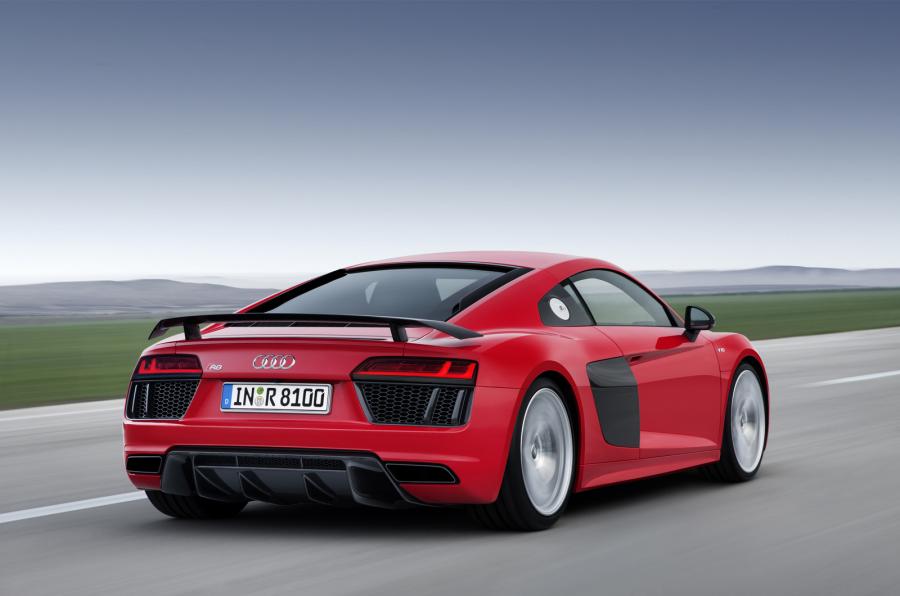 Whether or not this can be added as an option; something Audi loves to give in abundance as long as you are happy to pay for them, remains to be seen, but for now it has been binned. The lack of the full length sideblade has been replaced with a two-part homage to the original, but if contrasting colours are specified the effect is sure to mirror the originals standout feature.
Many manufacturers have been guilty of diluting design classics of late, BMW’s latest MINI isn’t their finest work when it comes to design, but that isn’t a trait that Audi are likely to fall into. Their designers seem to roll out a redesign well across their range, and the chiselled look that started with the new TT seems to fit well with the new R8, and even the wildly re-worked Q7. Their design direction continues to seem sophisticated and classy and even though often it isn’t far removed from a previous iteration, seems cutting edge enough to ensure the looks remain fresh and desirable for many years to come.

 HYPE Automotive