When your most recent stab at a racing car for the road is one that not only breaks all the performance records but changes thinking in terms of design and is still talked about 20 years later, you know you’ve done a good job. However, when it comes to producing a new supercar there are some pretty big shoes to fill. The Gordon Murray conceived design classic was a yardstick that all performance cars were measured by, only surpassed in recent times by the Bugatti Veyron, a car also compared vigorously to the, at the time, 12 year old F1. The F1 was an instant design showcase that will be remembered by its gold lined engine bay, the central driving position and the ferocious top speed it could achieve from its naturally aspirated engine. With the McLaren F1, the Woking company produced their finest work using all their motor racing knowledge, yet times and technology have changed.
In the modern Formula 1 era design is restricted by numerous regulations, performance is halted by fuel economy and power is assisted by electric motors. With their latest road car McLaren took the same approach as the F1 by drawing heavily from their racing knowledge. By incorporating the latest technology fresh from the Formula 1 circuit, the new P1 is abundant with features, synonyms and aids to make you go that little bit quicker on your travels.
As with the F1 the design is pure aerodynamic wizardry, however with this car the result is a more fluid composition of lines and shapes formed by numerous hours in the wind tunnel. The car, sits very low and the swooping angles create a low nose at the front and surprisingly low rear considering there are two power plants underneath the sleek body. The bonnet features large vents to aid cooling as well as preventing lift at speed, proof that every feature on the car seems to have a dual purpose, usually just to make you go faster.  The designers have managed to pull off the family face of the car very well, fitting the proportions of the shape better than the McLaren logo shaped headlights do on the 650s and 675LT. From the side the P1 is pure aero-forming, exaggerating the swooping lines and raised haunches over the wheel arches even more than they appear. The weight saving and streamlining of the car mean even the small window next to the driver’s door is a blank, although possibly to also hide the engine that is crammed in there somewhere. At the back any build-up of heat can escape through the huge mesh grille that takes up most of the rear, along with the high near dustbin sized single exhaust. The huge rear spoiler is only raised when needed and otherwise sits tucked neatly into the bodywork at the back to prevent upsetting the air flow. The immensely slim line rear lights mimic the outline of the car, accentuating the curves further and offering a stylish solution to a functional feature.
There really is no style over substance with the P1, with every little detail necessary to make it the ultimate driver’s car. As it happens, creating a slippery aerodynamic and downforce creating machine has also formed a stunning car in the process.  It looks purposeful and raring to go even when moving at slow speeds or even stopped in rush hour traffic. The elegant thin lights, numerous vents and swooping body are necessary to aid air flow and increase downforce yet they could easily have been designed for appearance only. The looks alone have created a style icon that borrows details from its 20 year old predecessor, the F1, yet is so far removed in terms of technology and looks that it will surely become a design classic of its own.
McLaren really have designed a thing of beauty with the P1 and ensured that it looks desirable and exotic as a supercar should. Besides, you wouldn’t want to be driving around in something hideous when you’ve spent £866,000 on one, not that you can because all 375 have long been sold out, and good luck trying to find any used ones on the market.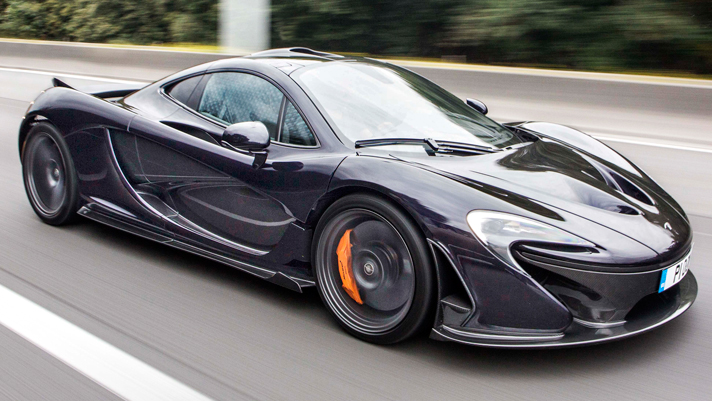

 HYPE Automotive