Iconic is a word that is often passed around too easily when it comes to cars, yet some car makers are lucky enough to have produced those truly legendary models that grace their history. A car that rolled off their production line or was hand formed by craftsmen has gained cult status with fan clubs, car clubs and motoring enthusiasts the world over. Sometimes it’s the design, sometimes the performance or maybe a racing pedigree that has gained people’s affections in their thousands. There are many classic or future classic cars that have followers and fan clubs but very few become popular enough to be classed as true icons. Cars such as the original Mini, the Land Rover Defender; from the very first to the very last, the Volkswagen Beetle, the Fiat 500, countless Ferrari’s and Lamborghini’s, the Porsche 911, the list goes on and on. Some have been heart-warming for their pluckiness, their charm and for carting families around for generations, or for conquering all that has been thrown at them both on and off road or on a racing circuit. But it is the design classics that many people yearn for the most.
This leads us nicely on to a design classic that little can dispute as one of the most beautiful cars the world has ever seen; the beguiling Jaguar E-Type. When it was released in 1961 it was nothing on the roads, a complete breath of fresh air both visually and dynamically. It quickly became the must have and only car to be seen in and was soon gracing the driveways of film stars, music stars and even royalty globally and has epitomised luxury and class ever since. The long slender vented bonnet, sleek profile, stunning chrome wire wheels and sumptuous luxury interior was everything you could possibly want in a dream car.
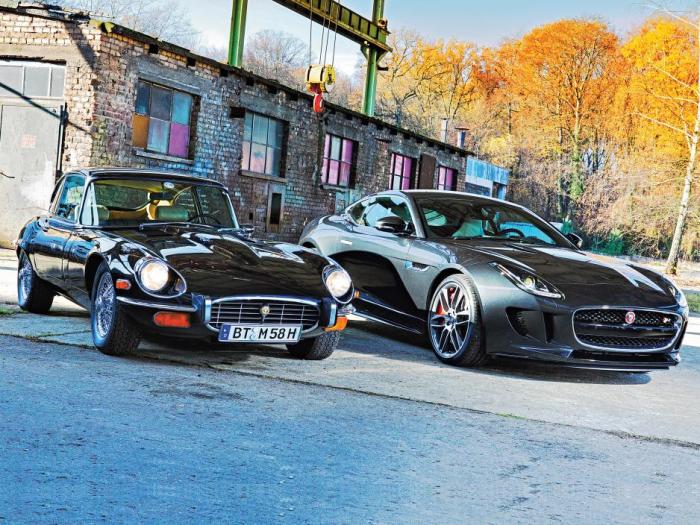
The problem with creating such a beautiful iconic machine is that people are always looking for something to compare it to. They will always be seen as the pinnacle of a marques design capability and a beacon to which new models will be compared and pitted against, that is until you decide to make a new one. Many fans would rather the recipe for one of the greats was left well alone and any new version would lack the appeal and desirability of a bygone age. Yet in modern times with refined ride comfort, motorsport derived technology and handling and futuristic design and styling, the possibilities and capabilities for a future classic are begging to be reinvented. When it comes to new versions of iconic models, BMW have made a great success with revamping the Mini, although in a somewhat different guise of luxury and quality packaging, and Fiat are closely behind with their new incarnation of the 500. VW haven’t quite got the new Beetle recipe right yet but they’re still working on it and although the last Land Rover Defender has just rolled off the production line, they’re promising the same things with its much talked about replacement.
Jaguar realised that the jewel in their crown could not be replicated and instead sensibly opted for a modern interpretation on their most famous model rather than a revamp. Much like Ford did with their legendary GT, they decided a modern version that had styling cues harking back to the original was a better move than trying to take on the E-Type fandom and upsetting their loyal followers.
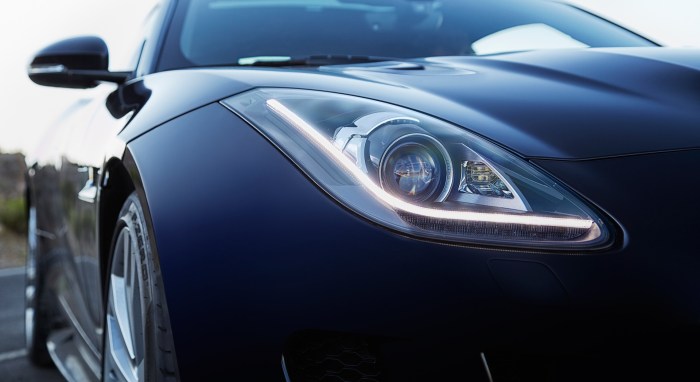
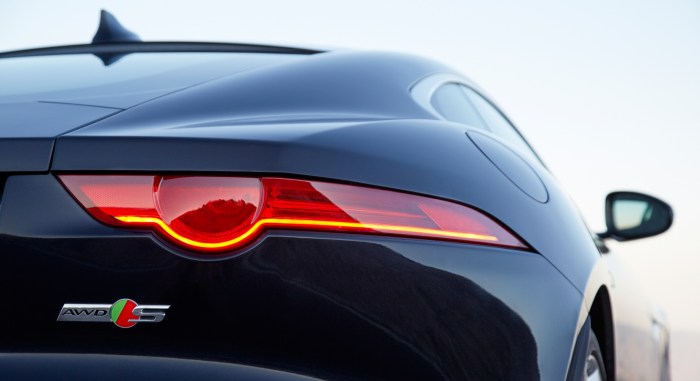
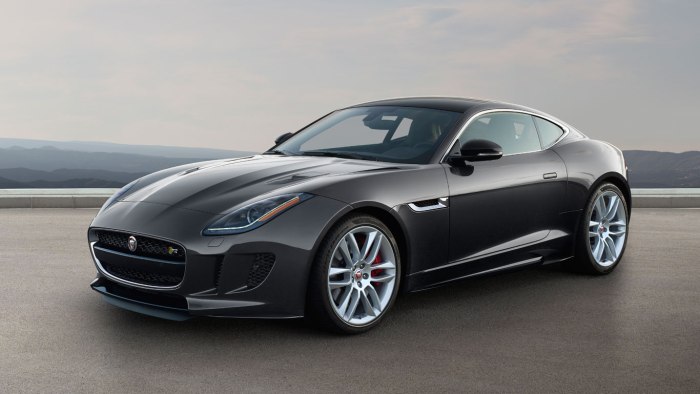
With this ethos the F-Type was born. The creation of an all new luxurious sports coupe that would take its inspiration and design ethics from the legendary car without impeding on its status as a motoring icon. The F-Type retains the same long bonnet, the bulging rear wheel arches and steep raked windscreen to the cabin with sloped rear hatchback. At closer inspection many of the original E-type details are also influential to the design of the F-type. The flowing side profile generated by the headlights, up over the bonnet and curved up towards the rear arches and lights remains a key part of the appearance. The rear lights mimic the shape and style of the original, albeit with less chrome and with brighter LED bulbs. The headlights may be new in a form to the original oval shapes and feature the usual daytime running light strip that have become the norm these days, but they angle the nose perfectly to create a similar stance to the front end. At a glance, the side profile is the perfect evolution of the original coupe, with the hatchback rear creating a purposeful look echoing the design of the 60’s supercar.
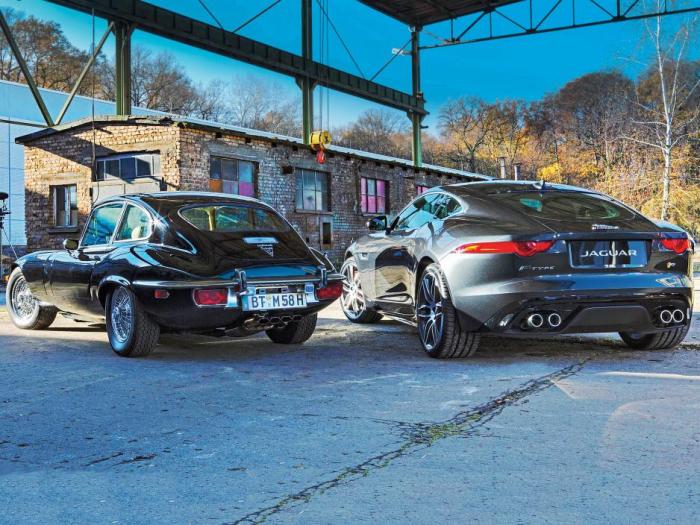
The original E-type is the pinnacle of beauty when it comes to automotive styling, a form that has not been matched in over 50 years of design. This meant that the new F-type had to exude the same gorgeous looks and athletic form that wowed the jet set all those years ago; a trait that thankfully it more than lives up to. After 2 years the design is still as fresh as ever and spotting one on the high street is still a memorable mix of admiration and yearning that it isn’t you sat behind the wheel. The recipe of the E-type is further seen, or rather heard, in the growling engine note and aggressive note of the substantial sports exhausts at the rear. With a barking roar when you plant your foot to the carpet and something that can only be described as a machine gun noise when you take it off again on the over run, the experience is sure to be something you’ll never tire of. An event that you’ll want to recreate again and again, even if sleep villages or high street pedestrians would rather you didn’t.
Surely that’s the point to the F-type, as it was to the original E-type. You want people to be jealous of the looks, the beauty and the styling of the car you’re driving, yet from a comfortable seat of the finest leather and honed wood that’s as easy to drive as a family hatchback. With a soundtrack that is like nothing else you’re sure to get noticed wherever you go, and with stunning design that shares many styling cues with such a legendary machine, you’re going to get admiration and jealousy in bucket loads. But because you’re driving a Jaguar, they come in a supportive approving way that many supercar owners certainly wouldn’t recognise as a benefit of owning such an admired car; a trait that is also familiar to drivers of the original E-type.

 HYPE Automotive
One thought on “Jaguar Replace Exquisite E with Fabulous F”